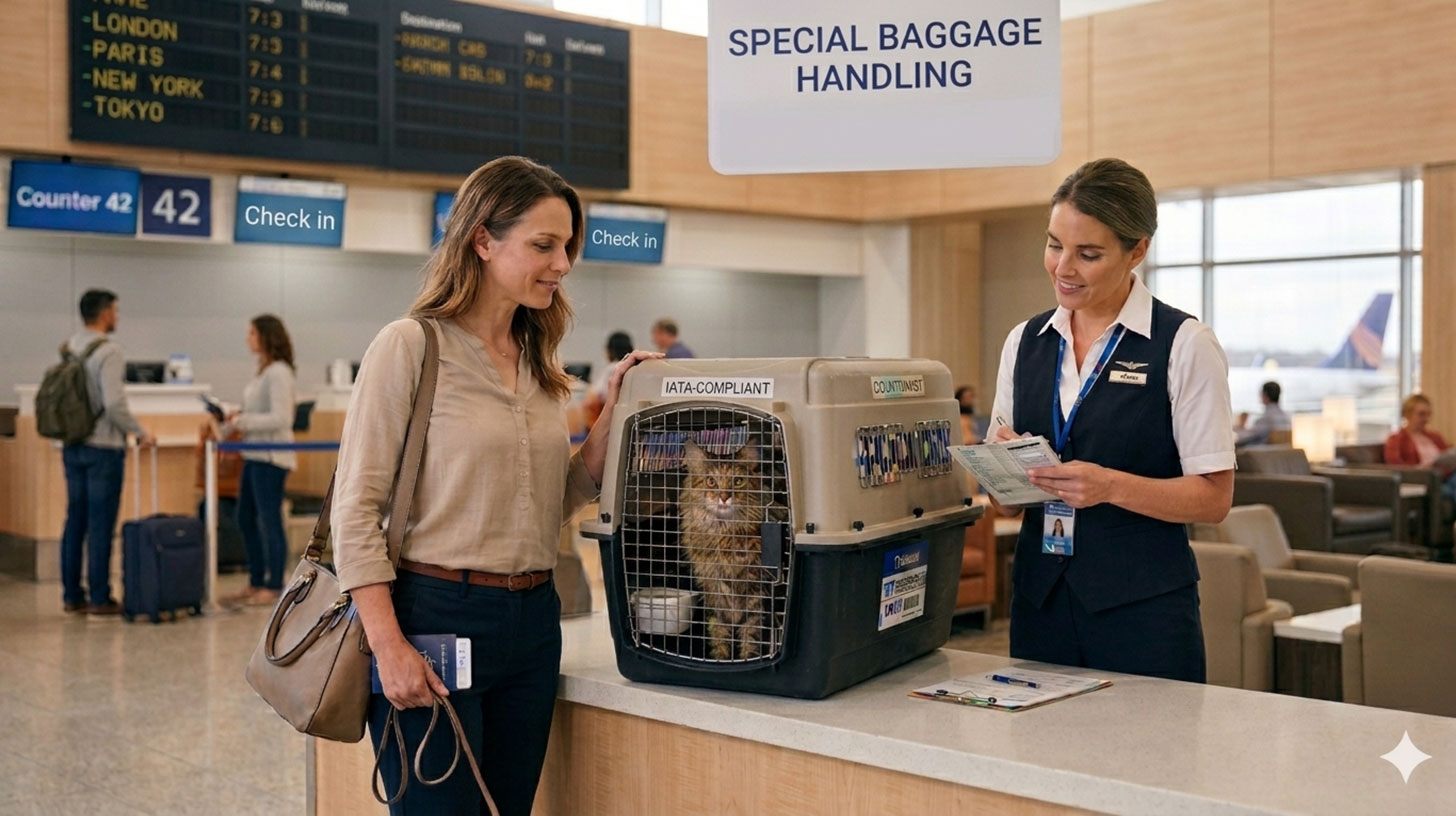

Introduction
Traveling with pets can be a challenging experience, especially when it involves air travel. Ensuring your furry friends are safe and comfortable during their journey is paramount. One of the most crucial aspects of pet relocation is selecting the right airline-approved travel carrier. This guide will help you navigate the options available and choose the best carrier for your cat or dog, ensuring compliance with International Air Transport Association (IATA) standards.
Understanding Airline Requirements
Before purchasing a travel carrier, it's essential to understand the specific requirements of the airline you plan to use. While many airlines have similar guidelines, there can be variations in size and material specifications. Always confirm with your airline whether your pet can travel in-cabin or must be transported as excess baggage or manifest cargo.
In-Cabin Carriers
For small dogs and cats that can travel in the cabin, a soft-sided carrier is often the best choice. These carriers are designed to fit under the seat in front of you, providing a cozy space for your pet. Some popular options include:

- Sherpa Original Deluxe Pet Carrier: Known for its durability and comfort, this carrier features mesh panels for ventilation and a padded shoulder strap for easy carrying.
- Sleepypod Air In-Cabin Pet Carrier: This versatile carrier adapts to various airline seat configurations and includes a plush bedding insert for added comfort.
- Mr. Peanut's Gold Series Expandable Carrier: With expandable sides, this carrier offers additional space for your pet to move around during layovers or extended waits.
Checked Baggage or Cargo Carriers
Pets traveling as checked baggage or cargo require a more robust carrier. These carriers must comply with IATA guidelines, ensuring your pet's safety and comfort. Key features to look for include:
- Petmate Sky Kennel: Made from heavy-duty plastic with a secure door latch, this kennel is a reliable choice for larger pets. It includes ventilation openings and clip-on bowls for food and water.
- MidWest Homes for Pets Skudo Travel Carrier: This carrier is designed with a sturdy handle and secure locking mechanism, making it ideal for air travel.
- Gunner Kennels G1: Known for its durability and crash-tested design, this kennel provides superior protection for pets traveling in the cargo hold.
Special Considerations for Certain Breeds
When selecting a carrier, consider your pet's breed and size. Snub-nosed breeds, such as Pugs and Bulldogs, require carriers with extra ventilation to ensure they can breathe comfortably. Larger breeds, like Great Danes, may need custom-made wooden kennels to accommodate their size.
Where to Purchase Airline-Approved Carriers

Airline-approved carriers can be found at various pet supply stores and online retailers. Some reliable sources include:
- Petco and Petsmart: These stores offer a range of IATA-compliant carriers for both in-cabin and cargo travel.
- Chewy and Amazon: Online platforms provide a wide selection of carriers, often with customer reviews to guide your choice.
- Professional Pet Shippers: Companies specializing in pet relocation, such as Paws en route, can recommend and provide suitable carriers.
Preparing Your Pet for Travel
Once you've selected the right carrier, it's important to familiarize your pet with it before the journey. Allow your pet to explore the carrier at home, placing their favorite toys and bedding inside. This helps reduce anxiety and ensures they associate the carrier with comfort and safety.
Tips for Acclimating Pets to Their Carriers
Introducing your pet to their carrier well before travel day is crucial for a stress-free experience. Here are some effective strategies to help your furry friend feel comfortable in their carrier:
Start Early - Begin the acclimation process several weeks before your trip. This gives your pet ample time to adjust and associate the carrier with positive experiences.
Make It Inviting - Place familiar items like your pet's favorite blanket or toy inside the carrier. This creates a sense of comfort and familiarity for your pet.
Gradual Introduction - Leave the carrier open in a common area of your home. Allow your pet to explore it at their own pace, without forcing them inside.
Positive Reinforcement - Use treats, praise, and playtime to create positive associations with the carrier. Reward your pet when they approach or enter the carrier voluntarily.
Short Practice Sessions - Once your pet is comfortable entering the carrier, begin closing the door for short periods. Gradually increase the duration, always ensuring your pet remains calm.
Simulate Travel Conditions - Take short car rides with your pet in the carrier to mimic travel conditions. This helps them get used to movement while in the carrier.
Maintain Calm Energy - Your pet can sense your emotions, so remain calm and positive during the acclimation process. This helps your pet feel secure and relaxed. By following these tips, you can help your pet view their carrier as a safe space, making air travel a more comfortable experience for both of you.
Carrier Maintenance and Cleaning
Proper maintenance and regular cleaning of your pet carrier are essential for your pet's health and comfort during travel. Here's how to keep your carrier in top condition:
Regular Cleaning Schedule
Clean the carrier thoroughly after each use, and perform a deep clean at least once a month if used frequently.
Cleaning Process
- Remove all bedding and accessories.
- Vacuum the interior to remove loose debris and pet hair.
- Wash the carrier with warm, soapy water, paying special attention to corners and crevices.
- For fabric carriers, use a pet-safe disinfectant spray.
- Rinse thoroughly and allow to air dry completely before use.
Odor Control
To eliminate odors, sprinkle baking soda inside the carrier, let it sit for a few hours, then vacuum it out. For persistent smells, use an enzymatic cleaner designed for pet odors.
Inspect Regularly
Check the carrier for any signs of wear and tear, such as loose screws, frayed edges, or damaged zippers. Address these issues promptly to ensure the carrier remains secure.
Replace Bedding
Wash or replace the carrier's bedding regularly. This not only keeps the carrier clean but also refreshes your pet's travel space.
Storage
When not in use, store the carrier in a clean, dry place. This prevents mold growth and keeps the carrier ready for your next trip.
Prepare for Travel
Before each trip, wipe down the interior and exterior of the carrier with pet-safe disinfectant wipes. This ensures a clean environment for your pet. By maintaining a clean and well-kept carrier, you're providing a hygienic and comfortable space for your pet during air travel. This attention to detail can significantly contribute to a positive travel experience for your furry companion.
Conclusion
Choosing the best airline-approved travel carrier for your cat or dog is a vital step in the pet relocation process. By selecting a carrier that meets IATA standards and suits your pet's specific needs, you can ensure a safe and comfortable journey. Whether you're traveling domestically or engaging in international pet shipping, Paws en route and Atlas Van Lines is here to assist with all your pet transport needs, providing expert guidance and support every step of the way.